

Preparation and Performance Analysis of High-Elastic Synthetic Bristle Materials
Preparation and Performance Analysis of High-Elastic Synthetic Bristle Materials: Innovations in Cosmetic and Industrial Applications
High-elastic synthetic bristle materials have emerged as a cornerstone in industries ranging from cosmetics to industrial cleaning, driven by their ability to balance durability, flexibility, and cost-effectiveness. Unlike natural bristles, which often suffer from inconsistent quality and ethical concerns, synthetic alternatives offer tailored performance—especially high-elastic variants, which excel in maintaining shape, resisting deformation, and adapting to diverse usage scenarios. This delves into the preparation processes, key performance metrics, and practical applications of these advanced materials.
Preparation: From Raw Polymers to Engineered Bristles
The foundation of high-elastic synthetic bristles lies in strategic material selection and precision manufacturing. Commonly used polymers include polyamide (PA), polyester (PET), and polybutylene terephthalate (PBT), each chosen for its unique elastic properties. PA, for instance, offers excellent resilience and softness, making it ideal for cosmetic brushes, while PBT provides superior heat resistance, suited for industrial applications.
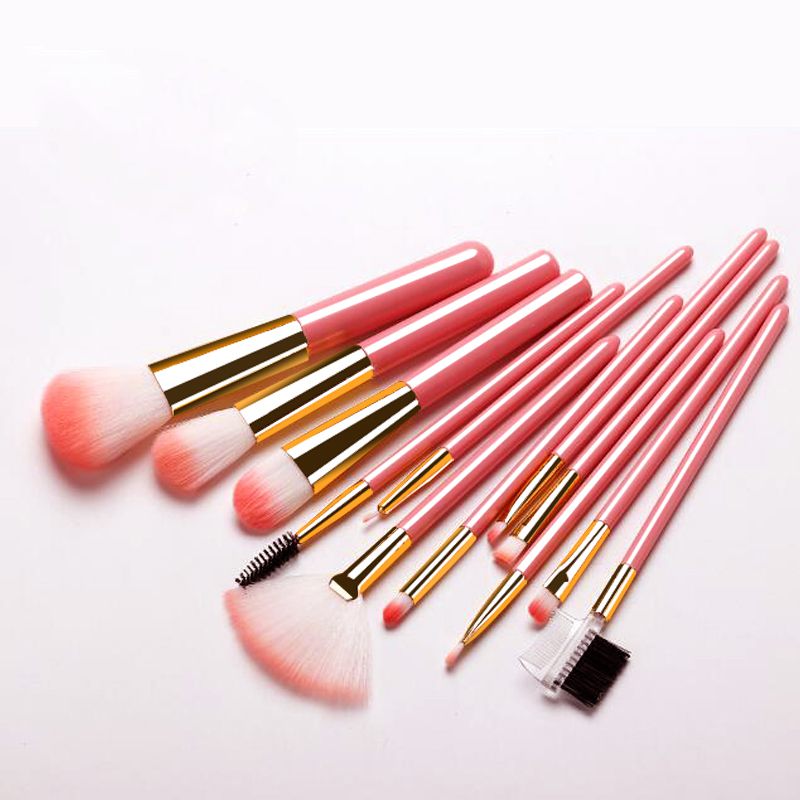
The preparation process typically begins with melt spinning, where polymer pellets are heated to a molten state and extruded through spinnerets to form continuous filaments. To enhance elasticity, post-processing steps are critical: stretching aligns polymer chains, increasing tensile strength and recovery; heat setting stabilizes the molecular structure, preventing permanent deformation under stress; and surface modification (e.g., plasma treatment or coating) improves texture and adhesion, ensuring the bristle retains its elasticity even after repeated use. Recent innovations, such as blending polymers (e.g., PA/PBT composites) or incorporating nanomaterials (e.g., silica nanops), further optimize elasticity by reducing internal friction and enhancing molecular flexibility.
Performance Analysis: Key Metrics for Elasticity and Durability
Evaluating high-elastic synthetic bristles requires rigorous testing across multiple dimensions. The primary指标 (metrics) include:
- Compression回弹率 (Compression Rebound Rate): Measured by compressing the bristle to 50% of its original length and recording the recovery percentage after release. High-elastic variants typically achieve >90% rebound, outperforming low-elastic alternatives (60-70%).
- 弯曲疲劳强度 (Bending Fatigue Strength): Assessed by repeatedly bending the bristle at a 90° angle; superior materials withstand 10,000+ cycles without cracking, critical for long-term use in makeup brushes or industrial scrubbers.
- 柔软度 (Softness): Evaluated via indentation tests, where softer bristles (with lower hardness values,<50 Shore A) ensure user comfort in cosmetic applications, while stiffer variants (60-70 Shore A) suit heavy-duty cleaning.
- 耐化学性 (Chemical Resistance): Resistance to solvents, oils, and detergents ensures stability in environments like makeup product exposure or industrial cleaning fluids.
Notably, elasticity is not孤立的 (isolated); it interacts with other properties. For example, excessive stiffness may boost durability but compromise softness, requiring manufacturers to balance these traits through precise polymer blending and process control.
Applications: Cosmetics, Industry, and Beyond
In the cosmetic sector, high-elastic synthetic bristles have revolutionized makeup brushes. Their ability to bounce back after each stroke ensures even product distribution, while softness mimics natural animal hair (e.g., squirrel or goat hair) without ethical drawbacks. Brands increasingly prioritize these materials to meet consumer demand for cruelty-free, high-performance tools.
In industrial settings, these bristles power applications like automotive detailing, food processing, and electronics cleaning. Their resilience allows them to maintain shape during high-pressure scrubbing, while chemical resistance prevents degradation from harsh cleaning agents. For example, PA-based bristles are used in bottle brushes for beverage production, where their elasticity ensures thorough cleaning of curved surfaces.
Future Trends: Sustainability and Smart Engineering
As the industry shifts toward sustainability, bio-based polymers (e.g., PLA or starch-based composites) are being explored as alternatives to petroleum-derived materials. While current bio-based options lag in elasticity, ongoing research aims to enhance their performance through cross-linking or additive incorporation. Additionally, smart bristle designs—such as hollow-core structures for improved flexibility or conductive coatings for static control—are on the horizon, expanding the materials’ versatility.
In conclusion, high-elastic synthetic bristle materials represent a fusion of material science and engineering ingenuity. By refining preparation processes and prioritizing performance metrics, manufacturers are unlocking new possibilities in cosmetics, industry, and beyond. As demand for durable, ethical, and adaptable materials grows, these bristles will continue to shape the future of brush technology.


